
Businesses face disruptions from natural events, cyber threats, or supply chain issues every day. Forward-thinking leaders build resilience by focusing on innovative emergency management that protects people and keeps operations running smoothly. These strategies turn potential crises into manageable situations through preparation and smart planning. Every organization needs them to stay strong, no matter what comes along. So, let's get inside this article and gather more information regarding this!
What are some Core Pillars of Preparedness
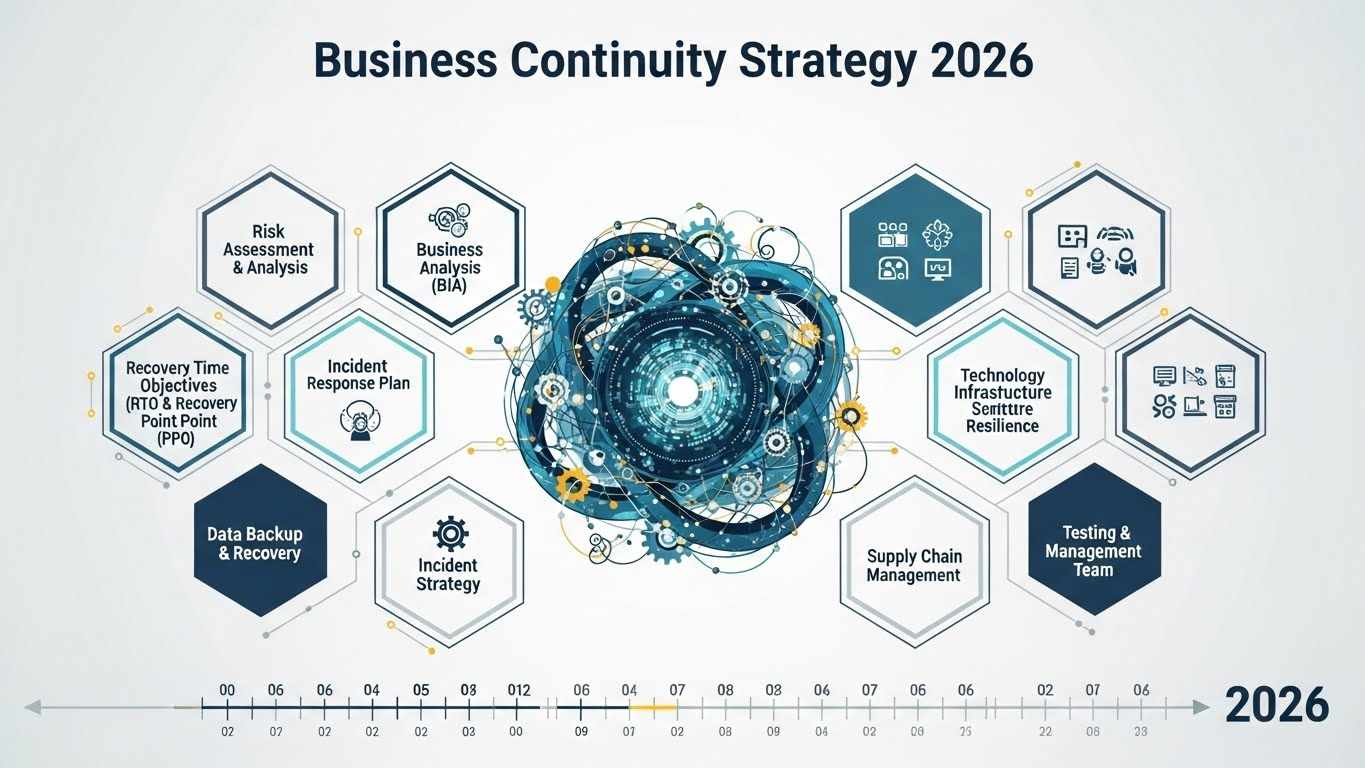
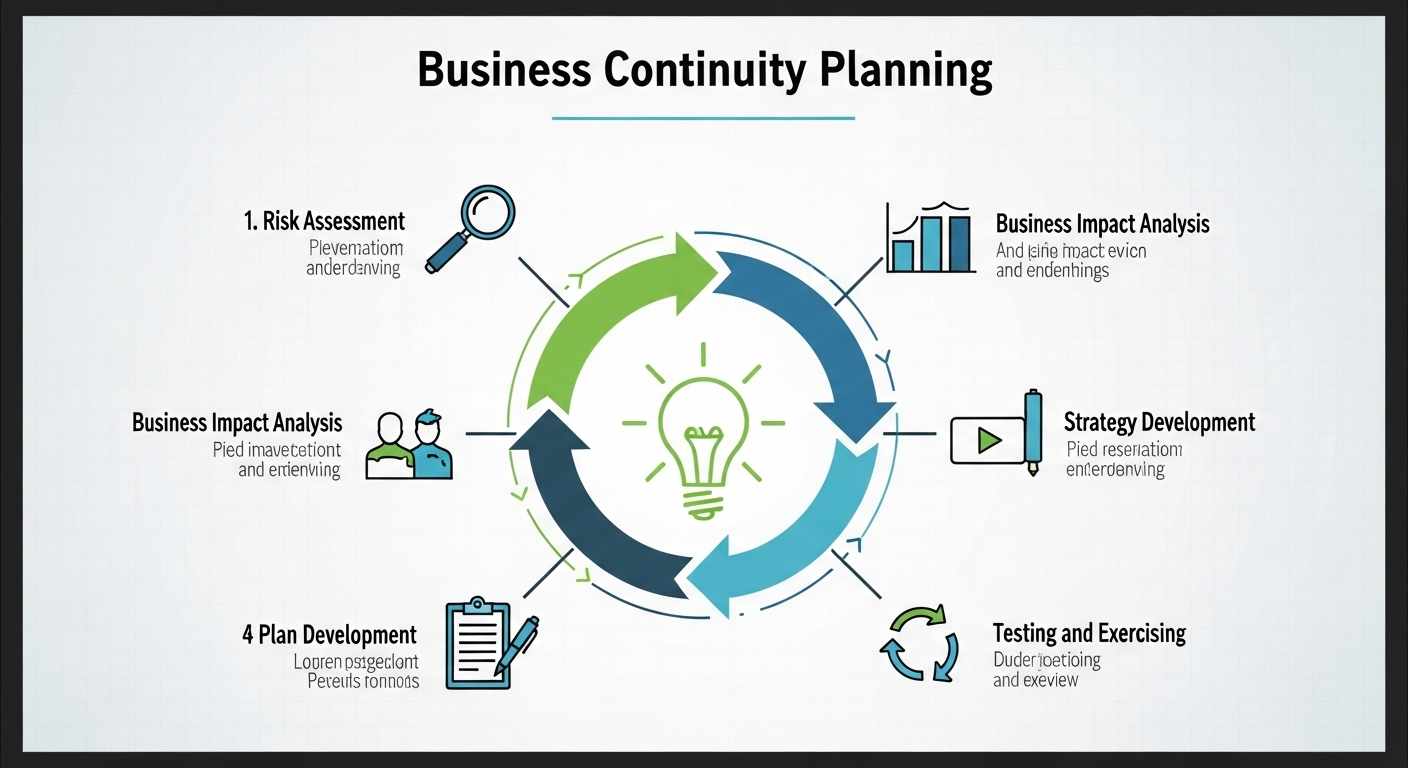
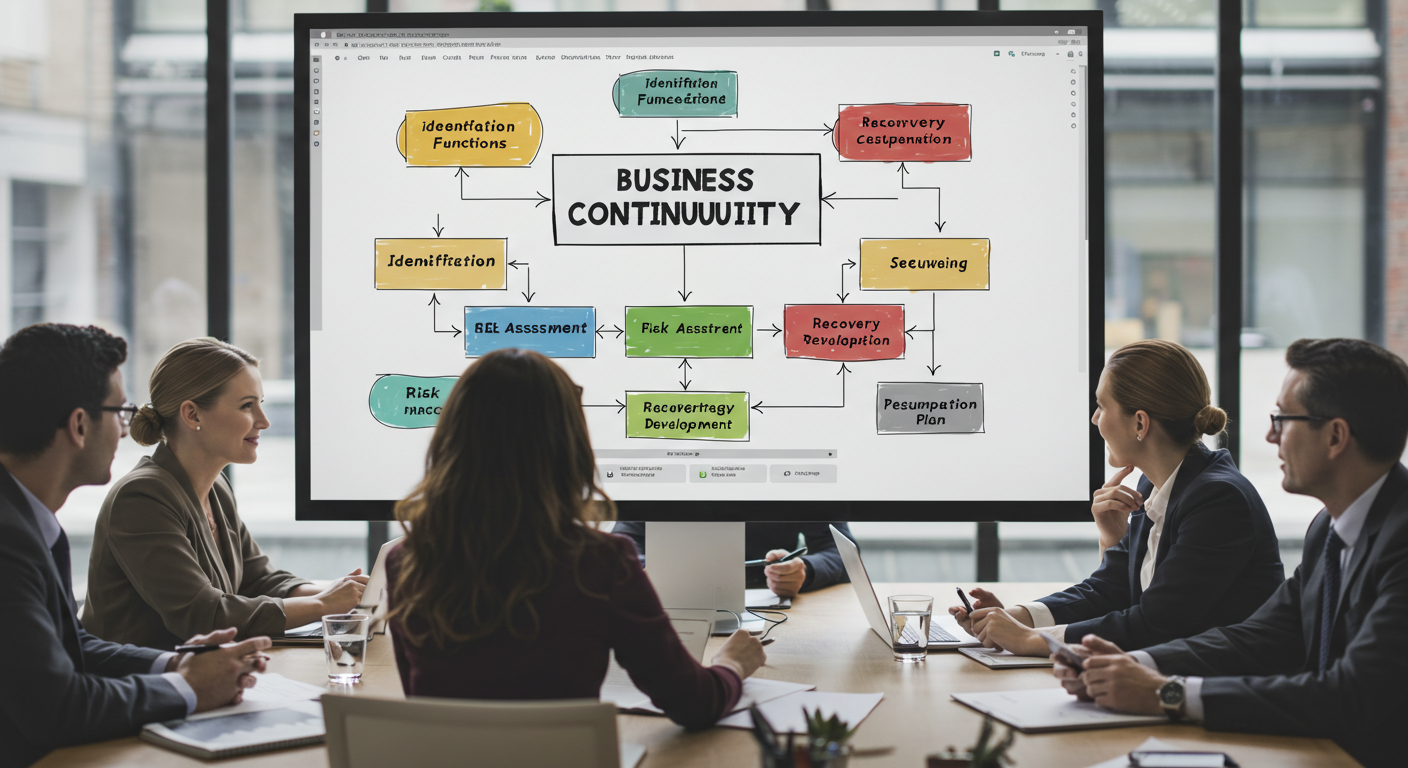
Strong foundations start with solid programs that cover every stage of a crisis. Emergency management solutions guide businesses from planning ahead to full recovery afterward. They create clear paths for response that save time and reduce confusion.
1.Preparation phase: Teams map out risks and stock essential supplies, ensuring quick access when trouble starts.
2·Response actions: Trained groups follow set protocols to handle immediate dangers and protect everyone on site.
3·Recovery steps: Focus shifts to restoring normal work while learning from what happened to get better.
4·Mitigation efforts: Long-term changes cut future risks, like better building designs or supplier backups.
5·Coordination hubs: Central command spots link leaders for real- time updates and decisions.
Essential Elements of Risk Assessment

Every business must know its weak spots to stay ahead of threats. Risk reviews uncover hidden dangers and point to fixes that make a real difference. They tie into proven systems for leading through chaos.
Threat identification: Pinpoint local issues like floods or outages that could hit operations hard.
Vulnerability checks: Test facilities and processes to find gaps in safety or tech setups.
Impact analysis: Measure the disruption impact on the staff, revenue, and customers.
Priority ranking: Prioritize areas that have high risks first in order to be well covered.
Continuous updates: Make sure to review plans either annually or following events to ensure that they are always quick and up to date.
Technology-Driven Innovations
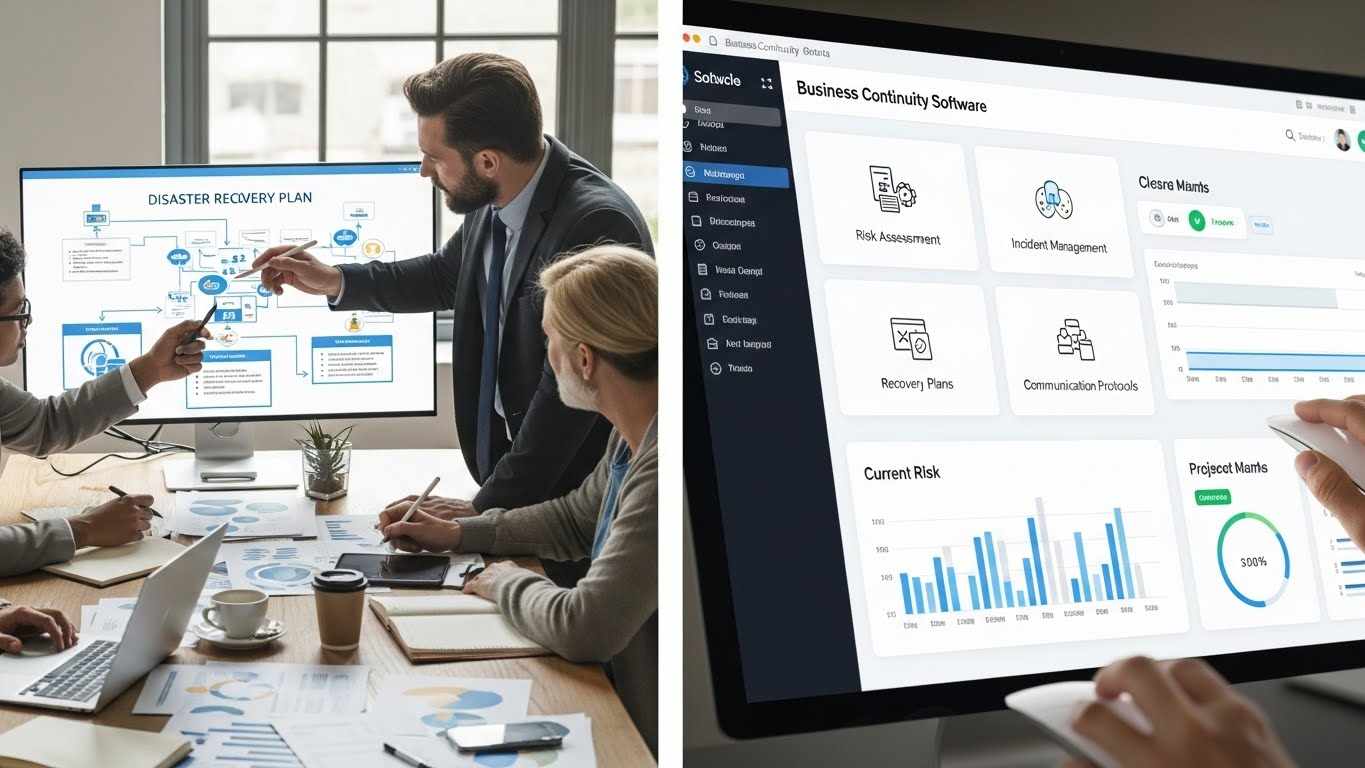
Tech changes how businesses handle emergencies by delivering fast, clear insights. Tools connect people and data in ways that speed up decisions and save lives. Innovative emergency management relies on these advances daily.
Modern software tracks situations live, while devices alert teams early. Drones scout areas safely, and smart systems predict problems before they grow.
Training and Exercise Programs

Practice makes perfect when seconds count in a crisis. Hands-on sessions build skills and test plans without real risks. Teams gain confidence through realistic drills.
Closing Out
A trusted emergency management consultant brings fresh eyes and deep know-how. An emergency management consulting company like Business Contingency Group crafts plans that fit your exact needs. Emergency consulting ensures compliance and smooth execution every step.
These steps help businesses cut losses and bounce back stronger. Reach out to skilled emergency management solutions providers for custom support. Visit Business Contingency Group today!
FAQs
Q1. What sets innovative emergency management apart?
It uses proactive tools like AI and sensors for faster, smarter crisis handling across all phases.
Q2. Why bring in an emergency management consultant?
They customize plans to your risks, boost compliance, and sharpen response effectiveness.
Q3. How do drills help business teams?
Drills test plans, hone skills, spot weaknesses, and build calm under pressure.
Q4. What's tech's role in these solutions?
Real-time data from software and devices speeds decisions and prevents escalation.







Write a comment ...